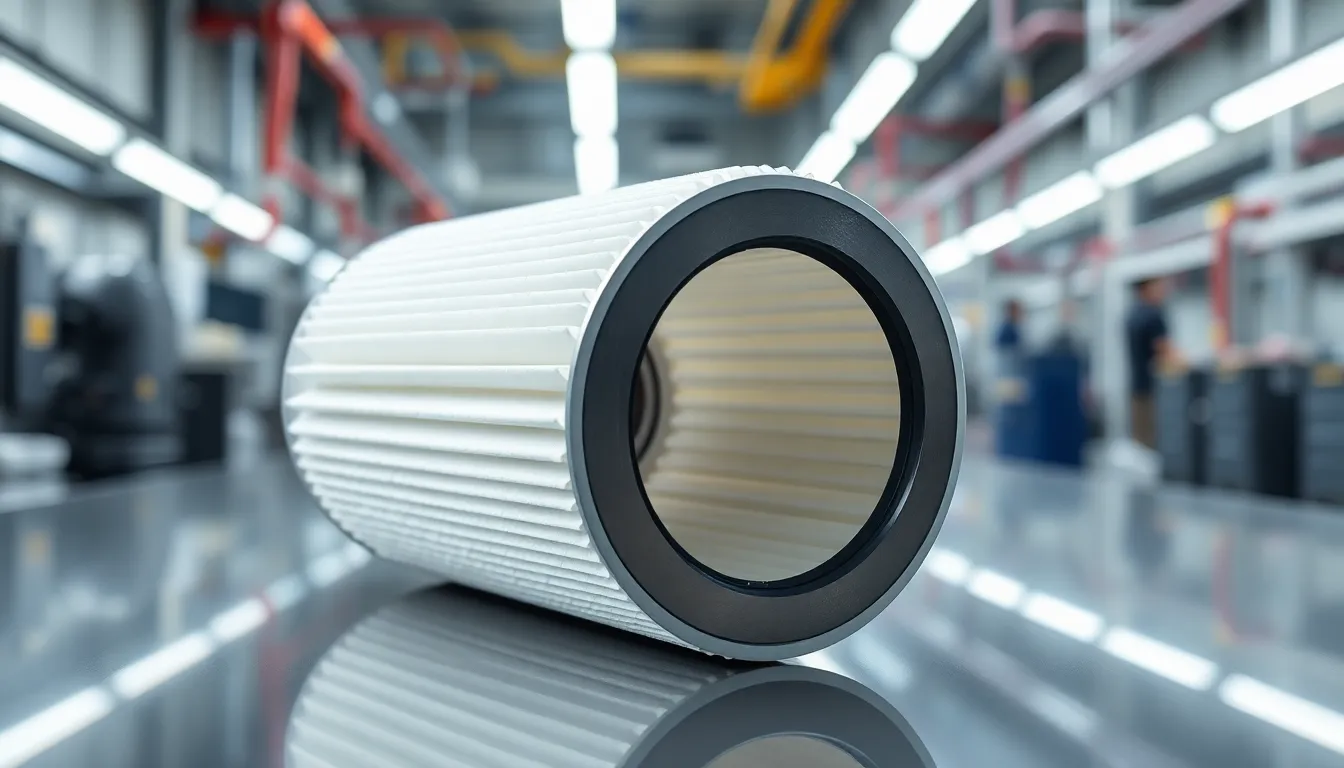
Filtration is a critical aspect in many industries, from manufacturing pharmaceuticals to refining automotive fluids. One of the workhorses behind modern, high-efficiency filtration is the pleated filter cartridge, a vital component in countless systems where precision, efficiency, and reliability are non-negotiable. While understanding what is a pleated water filter cartridge provides a foundation for grasping the technology, professionals in sectors like automotive and advanced manufacturing apply these same filtration principles to far more demanding applications, managing everything from particle retention to longevity under challenging conditions. Pullner Filter, based in Songjiang District, Shanghai, China, offers insight into the design and manufacture of pleated filter cartridges within its 10,000 square meter cleanroom and 20+ leading-edge production lines. Let’s examine what pleated filter cartridges are, how they function, and why they’re essential for modern automotive applications.
Key Takeaways
- Pleated filter cartridges significantly increase filtration efficiency and dirt-holding capacity for automotive and industrial applications.
- The pleated design provides a much larger surface area, which leads to longer service life and less frequent maintenance.
- Selecting the right pleated filter cartridge depends on factors such as filter media, micron rating, flow rate, and specific automotive requirements.
- High-quality pleated filter cartridges help prevent equipment wear in hydraulic systems and ensure clean fuel and air intake in vehicles.
- Proper installation and regular maintenance are essential to maximize pleated filter cartridge performance and ensure optimal system operation.
What Is a Pleated Filter Cartridge?
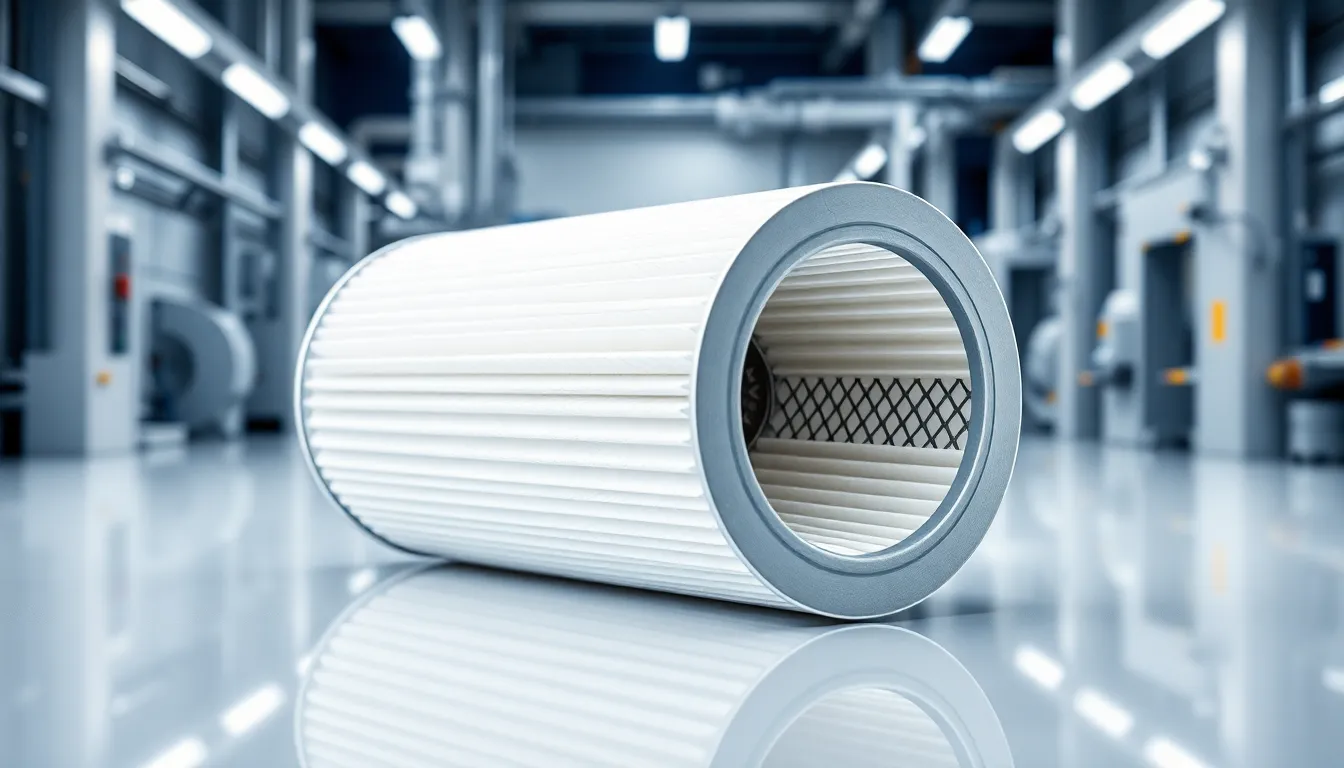
A pleated filter cartridge is a high-performance filtration element constructed by folding filter media (commonly polypropylene, glass fiber, polyester, or PTFE) into tightly packed pleats. This pleating process drastically increases the filter’s effective surface area, often by five to twenty times compared to flat filter media, which in turn amplifies both the dirt-holding capacity and filtration precision. Modern pleated cartridges can achieve filtration precision levels ranging from 0.1 microns (μm) up to 100 μm, adapting to needs from microscopic particle control to coarser particulate removal.
Within Pullner Filter’s advanced production environment in Songjiang District, each pleated cartridge is manufactured to exacting standards, ensuring consistent pore distribution, mechanical strength, and chemical resistance. The enhanced surface area accommodates higher contaminant loads, offering greater operational stability in continuous-flow systems. Pleated filter cartridges are available in configurations utilizing different materials and core supports to suit variable industrial requirements, including those specific to automotive, pharmaceutical, and semiconductor manufacturing.
How Pleated Filter Cartridges Work
When installed in a filtration housing, a pleated filter cartridge allows fluid (or air) to enter from the outside of the pleats and flow inward toward a rigid support core, often made from polypropylene or stainless steel. Contaminants are trapped on the outer layer of the pleated media (surface filtration) and, for finer particles, can be caught within multiple layers of fibers (depth filtration).
Pleats themselves serve several purposes: they reduce localized flow velocity, minimize pressure drop, and evenly distribute the captured particles across the entire filter surface. This design helps to prevent premature clogging and maintains a stable, predictable flow rate. Properly fitted end caps and O-rings create a reliable, leak-free seal, ensuring filtered fluid passes only through the intended pathway. In critical automotive and industrial settings, this type of design maintains both cleanliness and operational integrity, even as system conditions fluctuate.
At Pullner Filter’s facilities, stringent quality control ensures every pleated filter cartridge meets global standards for retention efficiency and structural reliability, crucial for demanding automotive and high-purity applications.
Key Benefits of Using Pleated Filter Cartridges
Pleated filter cartridges deliver substantial advantages over traditional depth filters, particularly for users needing repeatable, high-efficiency particle removal with minimal downtime. Some of the core benefits include:
- Higher filtration efficiency: Pleated designs are optimized to retain both coarse and fine particles with greater reliability, outperforming non-pleated alternatives, especially in applications demanding low micron ratings and tight control of particulate contamination.
- Larger dirt-holding capacity: The expanded surface area allows the cartridge to capture more debris before requiring replacement or cleaning, resulting in fewer changeouts and reduced manual intervention.
- Lower pressure drop and higher flow rates: The design naturally enables high throughput at lower energy costs, an essential factor in automotive fuel and hydraulic systems, where pressure loss can lead to inefficiencies or equipment wear.
- Extended service life: Cartridges last longer in service, thanks to more uniform contaminant distribution and durable construction, this translates into more predictable maintenance planning and lower total operating cost.
- Material versatility and chemical resistance: With the ability to select from a broad range of media and core materials, including heat-resistant or chemically inert variants, users in automotive, pharmaceutical, and food industries can fine-tune filters for harsh conditions or sensitive applications.
Pullner Filter manufactures pleated filter cartridges with additional value: robust construction, precise micron control, and compatibility with cleaning and backwashing systems for selected models, helping organizations operate reliably, even under demanding usage.
Applications of Pleated Filter Cartridges in the Automotive Industry
In automotive production and maintenance, the need for pristine hydraulic fluids, clean fuels, and contaminant-free air is paramount to equipment longevity and efficient operation. Pleated filter cartridges are central to numerous filtration points in these environments.
- Hydraulic systems: Pleated cartridges, especially those made from stainless steel or advanced polymer media, remove tiny particulates from hydraulic oil, preventing damage to high-precision pumps, valves, and actuators. These systems typically demand micron ratings from 2 to 10 μm, with enhanced dirt-holding ability to handle harsh industrial cycles.
- Fuel filtration: Both in manufacturing plants and on vehicles themselves, pleated filter cartridges ensure fuel delivered to engines is free from debris, rust, and polymers that could clog injectors. The result: fewer unplanned maintenance intervals and optimal combustion efficiency.
- Engine air intake: In air intake applications, pleated media intercept dust and other airborne contaminants, safeguarding engine cylinders and improving overall performance.
- High-temperature fluid filtration: Stainless steel mesh pleated cartridges are selected for filtering aggressive or high-temperature fluids, such as those encountered in engine test environments, racing, or specialized automotive processes.
For automotive manufacturers and fleet operators, the reliability and long service intervals made possible by pleated filter cartridges, like those produced in Pullner Filter’s cleanroom production lines, translate directly to enhanced process efficiency, less downtime, and lower maintenance costs.
Choosing the Right Pleated Filter Cartridge for Your Vehicle
Selecting the right pleated filter cartridge depends on matching several technical parameters to the specific demands of the automotive system:
- Filter media and material: Polypropylene (PP) is widely used for general filtration, while glass fiber suits high-temperature or aggressive chemical environments. Stainless steel meshes support extreme operating conditions and are reusable.
- Micron rating: Decide based on desired particle removal: for high-precision hydraulic systems, 2–10 μm suffices, while air intake filters may range up to 40 μm depending on climate and dust load.
- Pleat density and surface area: Systems with heavy particle loads or long run intervals benefit from higher pleat counts for increased dirt-holding capacity.
- Flow rate and pressure drop: Choose a design that matches the viscosity of the fluid and actual flow rate requirements without causing excessive pressure drop, which can reduce system performance.
- Surface vs. depth filtration: Surface filtration excels at removing larger, well-defined particles in a single pass (ideal for most automotive fluids), while depth filtration is better for capturing diverse particle sizes throughout the media’s thickness.
Pullner Filter consults with clients to specify cartridges based on operational environment, projected fluid composition, and system sizing, ensuring each solution fits seamlessly into automotive and industrial installations.
Installation and Maintenance Tips for Optimal Performance
Proper installation and routine upkeep maximize the performance and service life of pleated filter cartridges:
Installation Best Practices
- Confirm the cartridge is seated fully in the housing: misalignment or improper sealing with the O-rings can cause dangerous bypass and allow contaminants through.
- Avoid over-tightening end caps, which may deform the cartridge or housing and compromise filtration.
Maintenance Protocols
- Monitor differential pressure across the filter, once the pressure drop exceeds manufacturer recommendations, schedule replacement or cleaning for reusable models.
- For cartridges that permit backwashing (like some stainless-steel or high-grade polymer types), follow specified procedures to restore flow and filtration efficiency.
- Always replace worn or compressed O-rings to maintain leak-free operation.
Pullner Filter’s manufacturing emphasizes easy-to-install cartridges with robust construction, so operators can maintain optimal filtration without frequent, complex maintenance steps.
About Pullner
Business: Pullner
Spokesperson: Lucy
Position: Sales Manager
Phone: 0086-21-57718597
Email: [email protected]
Location: LB19-Office No.1207, Jebel Ali Free Zone, Dubai, United Arab Emirates
Website: https://www.pullnerfilter.com/
Google Maps Link: https://maps.app.goo.gl/XgLZWHjGFcmdWddt6
Frequently Asked Questions about Pleated Filter Cartridges
What is a pleated filter cartridge and how does it work?
A pleated filter cartridge is a filtration element constructed by folding filter material to increase surface area. It captures contaminants as fluid flows from the outer pleats inward toward the cartridge’s core, offering both surface and depth filtration for improved efficiency and reliability.
What are the main benefits of using a pleated filter cartridge in automotive applications?
Pleated filter cartridges provide higher filtration efficiency, larger dirt-holding capacity, lower pressure drops, longer service life, and versatility in material options. These benefits help ensure clean fluids and reliable operation in automotive manufacturing and maintenance.
How do I choose the right pleated filter cartridge for my vehicle?
Selecting the right pleated filter cartridge involves matching the filter media, micron rating, pleat density, and material to your vehicle’s fluid type, required cleanliness, and operating conditions. Consulting with suppliers ensures the cartridge meets your specific automotive needs.
Can pleated filter cartridges be cleaned and reused?
Certain pleated filter cartridges, especially those made with stainless-steel mesh or durable polymers, are designed for cleaning and reuse through processes like backwashing, which restores their flow and filtration efficiency. Always follow the manufacturer’s guidelines for cleaning procedures.
What is the difference between surface and depth filtration in a pleated filter cartridge?
Surface filtration captures larger particles on the filter’s outer layer, ideal for fluids with well-defined contaminants. Depth filtration traps smaller or varied particles throughout multiple layers of the pleated media, providing extra protection in systems with diverse contaminant sizes.
Why is monitoring differential pressure important when using pleated filter cartridges?
Monitoring the differential pressure across a pleated filter cartridge helps determine when the filter is becoming clogged. When pressure drop exceeds manufacturer recommendations, it’s time to replace or clean the cartridge to maintain optimal filtration and avoid equipment issues.